Stronger Steps in Tight Spaces

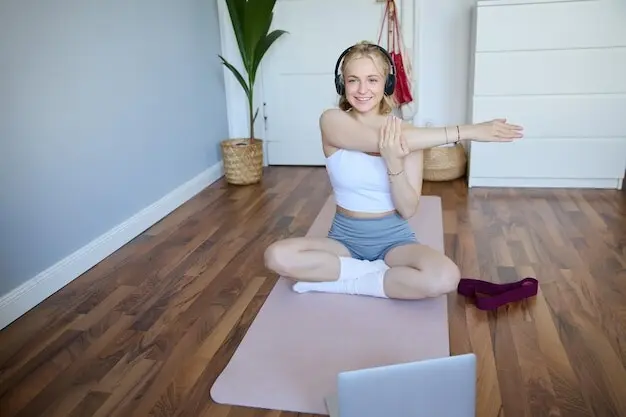
Today we dive into wall-supported balance and mobility circuits designed specifically for narrow hallways, turning limited square footage into a reliable training lane. Expect practical progressions, safety checklists, and science-backed tips that build stability, coordination, and confidence. Measure your corridor, clear a path, and join us as we transform everyday walls into trustworthy training partners you can revisit, refine, and proudly share with friends, family, or neighbors.

Safety First: Preparing a Narrow Hallway
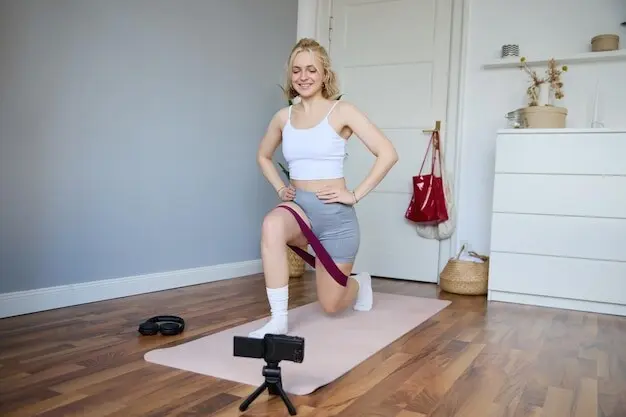
Before the first rep, secure the space so every movement supports improvement rather than risk. Remove clutter, set bright even lighting, and choose grippy footwear or clean barefoot work. Mark a center line with painter’s tape, test friction on the floor and wall, respect door swings, and consider pets or children. Keep a sturdy chair nearby for rest, and treat the wall as a consistent, calming reference point whenever balance wobbles.

Balance Fundamentals with Wall Support

Wall contact offers just enough assistance to practice key balance mechanics safely. Align ribs over pelvis, keep the head gently tall, and stack joints so center of mass stays over your chosen base of support. Use soft fingertips rather than a heavy lean. Direct your gaze forward to calm the vestibular system, then gradually reduce touch as confidence grows. Prioritize quiet feet, steady breath, and smooth tempo changes.

Designing Circuits That Actually Fit

Circuits in narrow hallways work best with short stations, minimal setup, and intentional sequencing. Blend balance and mobility with movements like wall march holds, heel-to-toe rail walks, lateral glides, reach-and-pull touches, and wall sits with calf raises. Use work–rest tempos such as thirty seconds on and thirty seconds off. Complete two to four rounds, noting perceived exertion, wobble recovery, and movement quality over speed.

Mobility That Moves With You

Smart mobility inside a hallway refreshes joints without sprawling on the floor. Use the wall for shoulder sliders, thoracic angels, hip airplanes with fingertip support, and knee-to-wall ankle work. Alternate mobility with balance tasks to preserve tissues and nervous system freshness. Desk workers especially benefit from frequent thoracic extensions. Keep reps modest and quality high, using the wall to guide alignment while discouraging compensations.

Thoracic Opener and Shoulder Care

Stand facing the wall, elbows softly bent, and trace slow arcs that open the chest without shrugging. Let the wall cue scapular glide rather than neck tension. Breathe into your ribs, expanding the back body as arms travel. This primes posture for subsequent balance stations, creating space for calmer breathing, kinder shoulders, and more reliable overhead or diagonal reaches when fatigue creeps in.

Hips, Ankles, and Feet Reset

Use fingertip support during hip airplanes to keep pelvis level while exploring gentle external and internal rotation. For ankles, nudge the knee forward toward the wall without lifting the heel, monitoring depth without pain. Between sets, massage arches over a ball. These micro-tune-ups reinforce stable landings and kinder toe-offs, making each hallway step quieter, springier, and significantly more confident over time.
Adaptations for Different Bodies and Goals

One hallway can serve many movers when dosage, support, and intent are customized. Older adults reduce fall risk with longer holds and lower steps. Athletes sharpen control under fatigue using tempo and direction changes. Post-injury practitioners use graded support, pain-aware ranges, and careful tracking. Respect individual histories, celebrate small gains, and adjust station order to match daily energy, confidence, and available attention.

Coaching, Tracking, and Staying Motivated

Clear cues, playful structure, and simple metrics keep practice magnetic. Use memorable phrases, light touch reminders, and tempo counts to guide quality. Track wobble recoveries, hold durations, and contact levels rather than only reps. Sprinkle mini-challenges to sustain curiosity. Celebrate tiny wins loudly, share hallway setups with friends, and invite questions or success stories. Consistency thrives when accountability feels creative, welcoming, and fun.

Cues You Will Remember Tomorrow

Try crisp phrases like ribs over pelvis, breathe wide, quiet feet, and softer hands. These reminders steer attention without overthinking. Pair each with a specific station so recall becomes automatic. When intensity rises, repeat the best cue out loud, then breathe. Sticky language converts complex biomechanics into intuitive action, preserving fluid movement even as balance puzzles grow steadily more interesting.

Make It a Game

Turn the corridor into a playful scoreboard: track fingertip contacts per pass, count silent steps, or time how long you can hover without losing alignment. Use colored tape for targets and celebrate personal records, however small. Invite family members to join cooperative challenges. Gamified structure boosts adherence, transforming ordinary walls into a surprisingly engaging training lane you genuinely look forward to visiting.

Measure What Matters

Choose honest, encouraging metrics: single-leg hold time with minimal contact, smoothness of rail walks, step count without scuffs, or perceived steadiness after work. Test the same elements weekly at similar times. Photograph hallway setups to replicate conditions. Share progress notes with our community, ask questions, and request tailored suggestions. Reliable measures reveal momentum, turning patience and curiosity into stronger, safer daily movement.
Pentolentolaxi
Privacy Overview

This website uses cookies so that we can provide you with the best user experience possible. Cookie information is stored in your browser and performs functions such as recognising you when you return to our website and helping our team to understand which sections of the website you find most interesting and useful.