Move Big in Small Rooms
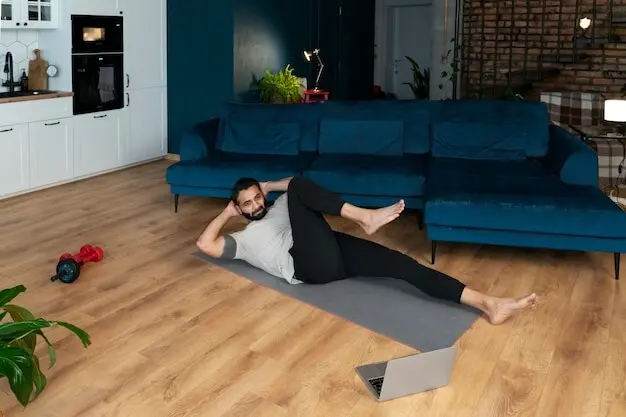
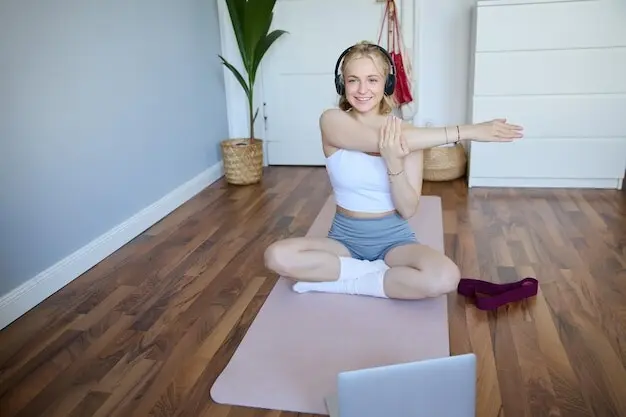
Step into No-Mat Hybrid Flows for Small Spaces, where yoga, mobility, Pilates, and strength melt into compact sequences for studio apartments, dorm rooms, hotel corners, and morning routines. Explore furniture-aware navigation, noise-conscious power, and friendly progressions that transform limited square footage into a creative laboratory for balance, resilience, and joy. Expect practical cues, playful experiments, and supportive guidance you can apply immediately, even when you only have a step of clearance and a pocket of focused time.

Foundations for Confined Movement

Before chasing intensity, learn how to map space, honor joints, and protect floors and neighbors. Establish a simple safety checklist, refine posture without mirrors, and tune in to small sensory details. With reliable fundamentals, every transition becomes cleaner, quieter, and surprisingly powerful, proving that precision and presence can outperform equipment or square footage when practiced consistently.

Mapping Your Micro-Floorplan

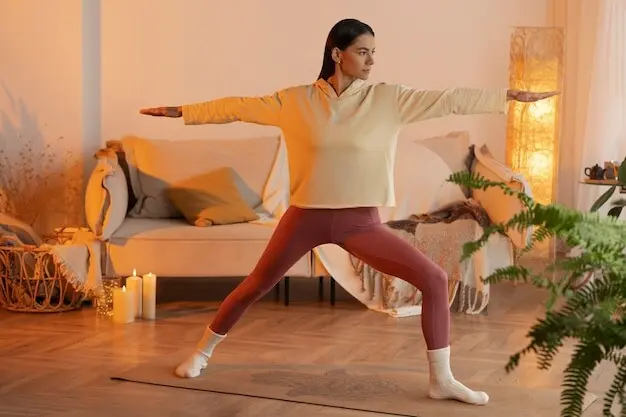
Start by marking a safe rectangle using shoes, books, or mental landmarks. Check ceiling height for overhead reaches, wall distance for balance drills, and slippery surfaces that need socks off. Practice pivoting within one step, rehearsing turns, weight shifts, and directional changes while keeping hips, knees, and toes in conversational alignment that preserves comfort and control.

Joint-First Alignment

Prioritize knees tracking softly over toes, hips loading like springs, and ribs stacking over pelvis while you breathe through subtle resistance. Replace big lunges with micro-split stances, favor diagonals over straight lines, and distribute force quietly. This joint-first approach builds durable strength and mobility, letting you repeat sessions frequently without soreness, creaks, or unwanted floor thuds.

Quiet Power for Shared Walls

Cultivate strength using slow eccentrics, isometric holds, and elastic pulses that demand focus, not impact. Stabilize with tripod feet and active glutes so neighbors hear only silence and your breath. Save hops for outdoors; indoors, use tempo ladders, breath-led transitions, and controlled decelerations that amplify effort while keeping peace in thin-walled apartments and late-night schedules.

Blending Modalities Without a Mat

Hybrid movement thrives when boundaries blur: borrow spinal waves from yoga, core organization from Pilates, rhythmic shifts from dance, and tension management from calisthenics. Standing variations replace floor work, while wall support becomes your best coach. The result is a seamless, equipment-free practice that respects tiny footprints, reshapes strength, and rebuilds mobility with elegant efficiency and surprising creativity.

From Cat–Cow to Spinal Waves, Standing

Translate familiar floor patterns upward by releasing knees, softening jaw, and undulating the spine from tail to crown. Use hands on thighs for feedback, or fingertips on a wall to guide gentle articulation. Each wave massages tissues, clears stiffness, and invites breath to travel effortlessly through ribs, neck, and low back, even when carpet space simply doesn’t exist.

Pilates Coresets Without Supine Work

Organize your center with standing Pilates principles: zip up from pelvic floor, wrap the obliques, lengthen through the crown, and breathe laterally into ribs. Practice hinge-to-upright patterns with arm sweeps, gentle knee bends, and isometric holds. These coresets build endurance and poise, fortifying daily posture while sparing floors, neighbors, and precious minutes between morning coffee and emails.

Strength Bursts Threaded Into Flow

Weave low-impact strength into graceful transitions: slow squats to calf raises, offset hinges, suitcase carries with backpacks, and wall-supported single-leg work. Thread ten-to-twenty-second efforts between breath-led mobility to maintain composure without spiking noise or fatigue. Over time, your cadence refines, your control deepens, and strength blends invisibly into movement, producing endurance that suits everyday life.

Sequencing for One-Step Clearances
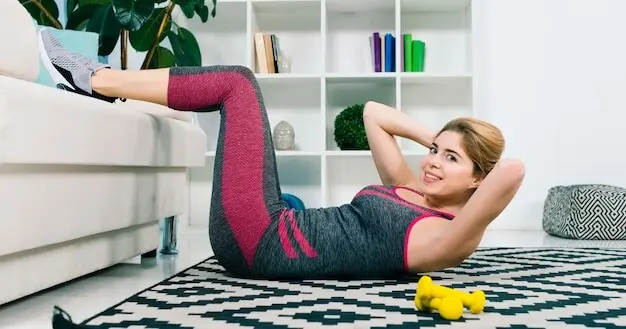
Thoughtful structures unlock consistency inside tiny rooms. Build loops that reuse angles, ladders that escalate tempo or range, and breath-timed sets that regulate effort. Arrange arcs that start narrow and bloom slightly wider before returning inward. These patterns minimize collisions with furniture while creating a meditative rhythm, inviting you back tomorrow because practice feels doable, tidy, and satisfying.

Recovery, Breath, and Nervous System Care
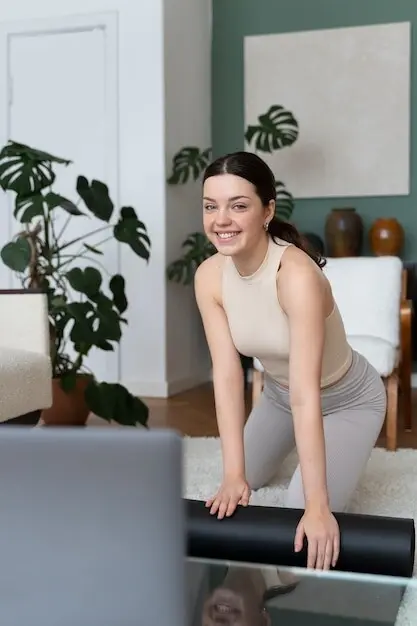
Small spaces reward subtle restoration. Use standing downshifts, wall-supported stretches, and nose-led breathing to soothe your system without needing floor space. Sprinkle mini-pauses that calm heart rate, widen attention, and preserve joints. These quiet resets help tomorrow feel inviting, ensuring practice remains a refuge, not a grind, especially when life crowds your schedule and the room itself feels tiny.

Progress Tracking in Tight Quarters

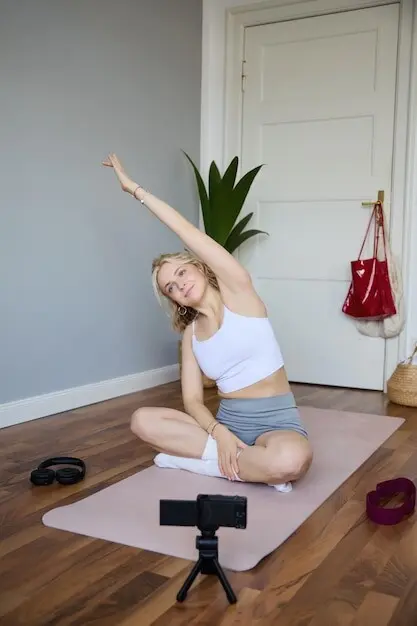
Build momentum with playful metrics that thrive indoors: cadence control, hold duration, smoothness of transitions, breath regularity, and noise level. Journal quick notes, record short videos, and celebrate micro-gains like steadier balances or cleaner lateral shifts. Gentle, visible progress sustains motivation, proving that thoughtful practice beats larger rooms when attention, creativity, and kind consistency lead the journey.

Community, Motivation, and Daily Practice
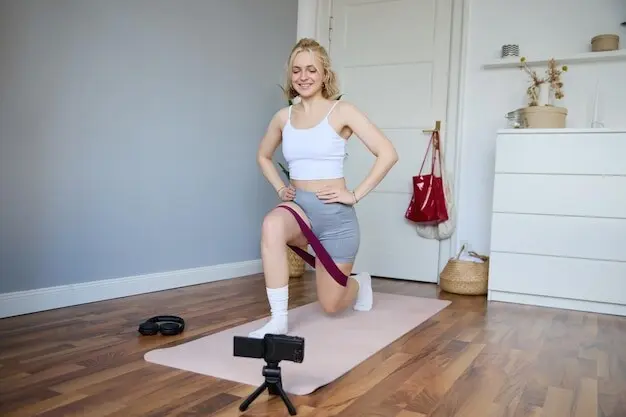
Consistency grows where encouragement lives. Share your favorite micro-flow, ask for feedback on a sticking point, or post a silent victory video. Build morning rituals that fit between kettle whistles. Invite a friend to join virtually. Subscribe for fresh ideas and reply with your constraints. Together we’ll keep it welcoming, practical, and fun inside the smallest corners imaginable.

Rituals That Anchor Consistency

Tie movement to anchors you already trust: after brushing teeth, during coffee boil, or before logging into work. Light the same candle, choose one grounding song, or set a two-minute timer. Predictable cues shrink resistance, making practice automatic. The room hasn’t expanded, yet your willingness has, secured by friendly habits that invite you to return tomorrow smiling.

Make It Social Without Disturbing Anyone

Host a silent check-in with a friend: camera on, microphones off, five minutes each. Swap one movement idea afterward by message. This quiet accountability respects roommates and neighbors while multiplying commitment. Community doesn’t demand volume; it asks for presence and kindness, two ingredients that transform small spaces into shared studios where support travels farther than any square feet.

Tell Us What Works and What Doesn’t

We want your stories: which flows slid perfectly beside the couch, which drills felt cramped, and which cues finally unlocked control. Comment with wins, worries, or requests. Subscribe for weekly sequences and reply with your schedule constraints. Your feedback shapes future practices, ensuring each session stays realistic, compassionate, and powerfully effective within the coziest corners of home.
Pentolentolaxi
Privacy Overview

This website uses cookies so that we can provide you with the best user experience possible. Cookie information is stored in your browser and performs functions such as recognising you when you return to our website and helping our team to understand which sections of the website you find most interesting and useful.